
Guide · Sheet G-412
How to hire a civil contractor
Two civil quotes for "the same job" often are not comparable at all, because they priced different scopes, different measurement methods or different risk. Getting a fair comparison starts before the first phone call.
A civil contractor prices what it can measure. A brief that is vague about scope, ground conditions or how quantities will be measured gets a number that is really a guess wrapped in a quote, and guesses turn into change orders once the ground is opened. Getting a comparable, defensible quote starts with what you send out, not with who you call.
STA 0+120What to send for a comparable quote
- Drawings or a sketch with existing and design levels, or at minimum the area and depth of cut, fill or trench.
- What is known about the ground: a geotechnical report if one exists, or a plain description of the soil, rock and groundwater conditions.
- Where material goes: where surplus spoil can be disposed of, and where fill or import material will come from if needed.
- Access and constraints: site access, working hours, any load restrictions on the roads in, and whether the site falls inside a spring road ban window.
- Locate status: whether utility locates have already been requested, and whether there are private lines on the property a one-call request will not cover; see call before you dig.
- The schedule, including any date that has to be hit before freeze-up, a permit expiry, or another trade's start date.
The more of this a contractor has up front, the less of the number is a contingency for what it does not yet know.
STA 0+240Making quotes actually comparable
Two contractors pricing the same drawing can still hand back numbers that are not comparable, because they assumed different things the brief left open. Before comparing price, confirm each quote answers the same three questions the same way: is it unit price or lump sum, how will quantities actually be measured (surveyed in place, or by truck count), and what happens if the ground turns out wetter, rockier or otherwise different than assumed. A lump-sum quote that is silent on differing site conditions is pricing a different risk than a unit-price quote that is explicit about it, even if the headline number looks similar.
STA 0+360What to check before awarding
- Insurance and WCB/workers’ compensation coverage, current and specific to the work being done, not just a general certificate.
- Bonding capacity if the job is large enough to warrant a bond; see bid, performance and payment bonds for what a bonded contractor has already had underwritten by a surety.
- References from comparable work, ideally a project of similar scope and ground conditions, not just the contractor’s best-case job.
- Association membership, where relevant — provincial roadbuilders and heavy construction associations and national bodies such as the Canadian Construction Association exist partly because members are expected to follow industry standards of practice.
- How change orders and extras get priced, agreed in writing before work starts, not negotiated after the fact once a change is already needed.
This site does not operate a directory, so it does not match, screen or endorse individual contractors; the checks above are things to ask for directly, and a contractor confident in its own standing usually answers them without hesitation.
STA 0+480Why lead time matters right now
Canada's construction labour market is tight and getting tighter. BuildForce Canada's 2026–2035 outlook projects the industry needs to hire 306,200 additional workers over that period, counting both growth in demand and retirements1, and even with 271,900 new entrants expected to be recruited, the industry could still be short 34,300 workers by 20341. Non-residential construction activity, including the heavy civil and engineering work this site covers, is forecast to keep rising into a peak around 20291. None of that means good contractors are unavailable — it means the ones worth hiring are booking their schedules further in advance than they used to, and a brief sent out early gets a meaningfully wider field of contractors to quote it than one sent out needing to start next week.
STA 0+600Red flags that predict a dispute
- A price with no stated measurement method. If a quote does not say how quantities get measured, that ambiguity becomes a dispute the moment the invoice does not match the estimate.
- An unusually low bid with no explanation. A number well below every other quote is either missing scope or assuming something the others are not; ask directly what is different rather than assuming it is simply the better deal.
- Vague or absent change-order language. A contract that does not say how extras get priced and approved leaves that negotiation for the worst possible moment: mid-job, with leverage on the contractor’s side.
- No mention of holdback or payment timing. A contractor unfamiliar with, or evasive about, the statutory holdback and prompt payment timelines that apply on the job is a sign to look closer, not a minor detail; see construction holdbacks and prompt payment and adjudication.
- Reluctance to name a reference from comparable work. A contractor confident in its track record on similar work usually offers references without being pressed.
STA 0+720Unit price vs lump sum
A unit-price contract pays for what gets measured — so many cubic metres of excavation, so many metres of pipe — which shifts quantity risk toward the owner and is common on public tenders where drawings are firm but final quantities can shift slightly during construction. A lump-sum contract pays a fixed total regardless of measured quantity, shifting quantity risk to the contractor, and works best when the scope and drawings are genuinely fixed before pricing. Neither is inherently better; the right choice depends on how firm the scope actually is when pricing happens, and some contracts split the difference by using lump sum for the fixed elements of a job and unit price for the parts most likely to change, such as rock excavation or dewatering duration. See the unit price index for reference figures and the excavation cost guide for how small-job pricing differs from a large tendered contract.
Questions people ask
What should I send a civil contractor to get an accurate quote?
Drawings or a sketch with levels, what is known about the ground, where surplus material can go, site access and schedule constraints, and whether locates have been requested. The more of this is known up front, the less of the quote is contingency for the unknown.
How do I compare two civil construction quotes fairly?
Confirm both quotes are answering the same three questions: unit price or lump sum, how quantities will be measured, and what happens if ground conditions differ from what was assumed. A lower headline number that is silent on these can be pricing a different, larger risk.
Why are civil contractors booking up further in advance?
What is the difference between unit price and lump sum?
Unit price pays for measured quantities and shifts quantity risk toward the owner; lump sum pays a fixed total regardless of measured quantity and shifts that risk to the contractor. The right choice depends on how firm the scope is at pricing time.
What is a red flag when hiring a civil contractor?
A quote with no stated measurement method, an unusually low price with no explanation, vague change-order language, or no mention of how holdback and payment timing will work are all worth questioning before signing.
Sources
- BuildForce Canada's Construction and Maintenance Looking Forward reports for 2026 to 2035 (press release)BuildForce Canada · 2026-2035 forecast; released 2026-07-20
- Unit Price Averages (workbook updated 2026-06-24)Alberta Transportation and Economic Corridors · 2026
Related
-
 G-401
Call before you dig
One-call centres by province, notice periods, what the paint means and what to do when marks are missing.
G-401
Call before you dig
One-call centres by province, notice periods, what the paint means and what to do when marks are missing.
-
 G-402
Trench safety & shoring
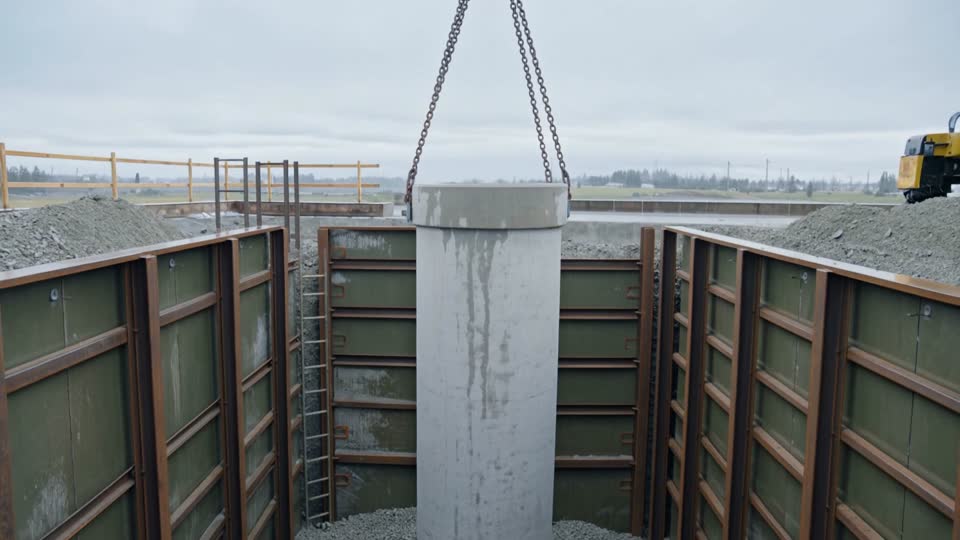
How deep you can dig without protection in every province, and the sloping, shoring and box rules.
G-402
Trench safety & shoring
How deep you can dig without protection in every province, and the sloping, shoring and box rules.
-
 G-403
Spring road bans
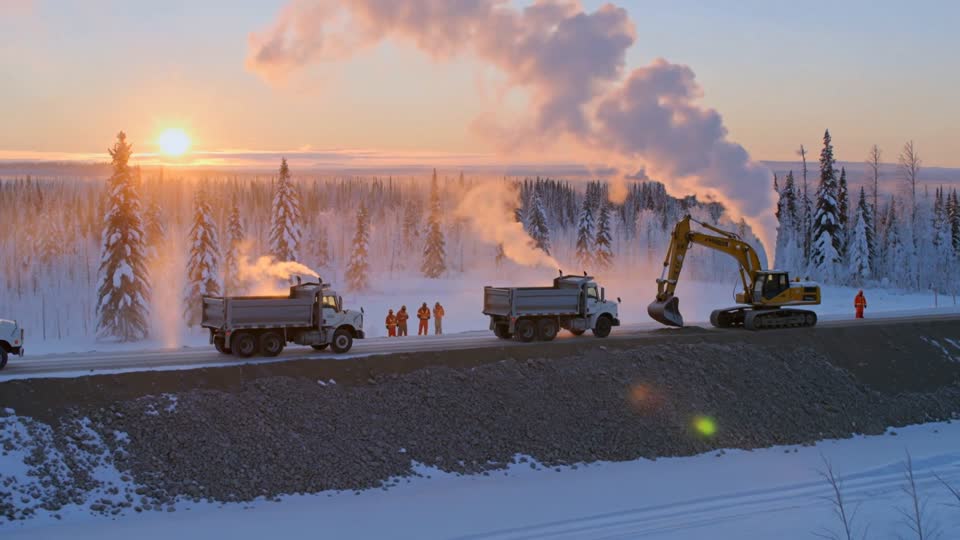
Why thaw closes roads to heavy loads, how Alberta, Saskatchewan, Manitoba and Ontario set them, and how to plan around them.
G-403
Spring road bans
Why thaw closes roads to heavy loads, how Alberta, Saskatchewan, Manitoba and Ontario set them, and how to plan around them.