Discipline · Sheet C-106
Hydrovac excavation
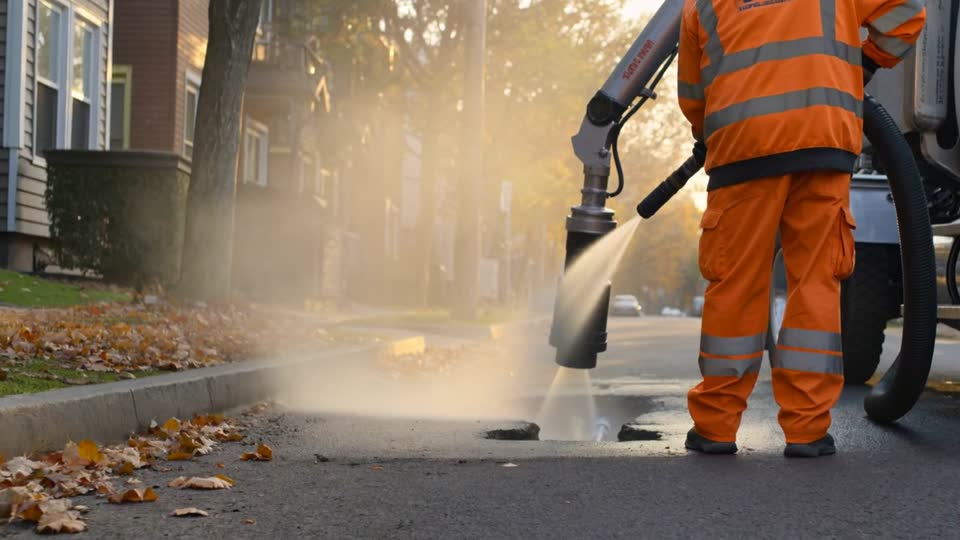
Hydrovac excavation digs with pressurized water and a vacuum instead of a bucket, so it can expose a buried pipe or cable without the risk of cutting through it. It is slower and costs more per cubic metre than mechanical excavation, and near a live utility that is exactly the point.
A hydrovac truck carries a water tank, a pump, a debris tank and a vacuum system. A wand breaks up soil with a high-pressure water stream and the vacuum immediately lifts the resulting slurry into the debris tank, leaving a clean, hand-exposed hole around whatever was buried there. Nothing rigid touches the ground except the water itself, which is why it is the standard method for exposing a utility that mechanical excavation is not allowed to touch.
STA 0+120How hydrovac excavation works
The water wand liquefies soil ahead of the vacuum hose, which draws the resulting slurry up into an insulated debris tank on the truck. Two variations are common:
- Hydro excavation uses pressurized water and is gentler on buried assets, the standard choice for daylighting near a pipe, cable or fibre line.
- Air excavation uses high-pressure air instead of water to break up soil, producing a dry spoil pile instead of slurry; it is used where a wet hole is a problem, such as around live electrical equipment or in a confined space.
Neither method replaces mechanical excavation for bulk earthworks; hydrovac is a precision tool for the specific volume of ground close to something that cannot be risked. See earthworks and excavation for how bulk cut and fill is priced and moved instead.
STA 0+240Daylighting: exposing a utility before you dig
"Daylighting" means exposing a buried utility to daylight, by hand or by hydrovac, before mechanical excavation is allowed closer to it. Every province sets a hand-expose or precaution zone around a marked utility, and the number is smaller than most people expect:
| Province | Distance |
|---|---|
| Alberta (near a pipeline) | 600 mm1 |
| Saskatchewan | 600 mm2 |
| New Brunswick | 600 mm3 |
| Prince Edward Island | 609 mm (2 ft)4 |
Inside that zone, mechanical equipment either cannot be used at all or can only be used under direct supervision of the utility owner's representative, depending on the province. Hydrovac is the practical way to expose the zone quickly without hand-digging the whole area with a shovel. See trench safety and shoring and call before you dig for the wider excavation and locate rules each province applies.
STA 0+360Working near pipelines
Pipelines carry their own, stricter rules on top of the general excavation law. In Alberta, the owner of a pipeline within 30 m of planned ground disturbance must be contacted and asked to locate it before work begins1. For federally regulated pipelines, the Canadian Energy Regulator's damage prevention rules define a prescribed area of 30 m on each side of the pipeline centreline, inside which anyone planning ground disturbance must submit a locate request through the one-call centre at least three working days before starting55. Alberta's own one-call centre, Utility Safety Partners, recommends three to five full working days' notice for a standard locate request, longer during the May-to-September peak season6. A hydrovac crew scheduled to daylight a pipeline crossing needs that lead time built into the program up front; showing up with a truck before the locate response has come back just means standing by, at cost, until the marks are on the ground.
STA 0+480Hydrovac in winter
Hydrovac keeps working through a Canadian winter longer than open-cut excavation does, because a heated water system and a wand can break through frozen ground that would otherwise need a hoe-ram or ground-thawing equipment first. It is common on winter utility locates, emergency repairs and pipeline exposure work for exactly that reason. It does not eliminate frost as a factor: colder temperatures slow production, water lines on the truck need to be kept from freezing between uses, and slurry disposal sites may have their own winter access or freezing constraints. See snow and winter works for frozen-ground excavation more broadly.
STA 0+600Slurry disposal
The debris tank fills with a mix of soil, water and whatever was in the hole, and it has to go somewhere once the truck is full. Options include an approved municipal or private disposal facility that accepts hydrovac slurry, on-site dewatering (separating water from solids so each can be handled differently), or, where soil conditions and permits allow it, spreading the material back on site. Disposal is rarely free: facilities charge by volume, and the cost depends on what the slurry contains, since contaminated soil or fluid handled by a hydrovac at an industrial or pipeline site is disposed of differently, and at a higher cost, than clean native soil from a residential utility locate. A crew working several locates a day plans its disposal runs as part of the route, because a full debris tank has to be emptied before the next hole can be started, and the drive to and from an accepting facility is time the truck is not excavating.
STA 0+720How hydrovac work is billed
No government body publishes an official tendered unit price for hydrovac excavation the way Alberta Transportation and Economic Corridors does for highway pay items, because hydrovac is rarely its own line item on a public tender; it is usually a sub-scope of a larger excavation, utility or pipeline contract, or a standalone service billed directly to whoever needs a hole exposed safely. Rather than quote a number that does not exist, the drivers that set the price are:
- Truck and crew time, usually billed hourly with a minimum call-out, since most jobs are measured in hours on site rather than cubic metres produced.
- Slurry disposal, billed by volume and by what the material turns out to be.
- Mobilization and standby, which matter more on remote, industrial or after-hours work than on a routine municipal locate.
- Ground conditions, since frozen, rocky or heavily compacted ground slows production and can call for hot water or air excavation instead of standard cold-water hydro excavation.
See the hydrovac cost guide for how these drivers combine into a typical invoice, and the utility locate cost guide for what a one-call locate itself costs (usually nothing) versus a private hydrovac daylighting service.
STA 0+840What to send for a price
A hydrovac job is priced from the site conditions and the reason for the hole, not a volume alone. A useful brief includes:
- The location and how many holes or how much linear exposure is needed.
- What is believed to be buried there, and whether locates have already been requested.
- Ground conditions: frozen, rocky, previously disturbed, or contaminated.
- Where slurry can be disposed of, or whether the contractor needs to arrange disposal.
- Access for a truck, including any overhead or confined-space restrictions.
- Whether the work is a one-time locate or part of an ongoing program.
Ask how the invoice will be broken down between truck time, disposal and any standby, and whether a minimum call-out charge applies. Those answers predict most disputes on a hydrovac job.
Questions people ask
What is hydrovac excavation?
Hydrovac excavation uses a pressurized water wand to break up soil and a vacuum system to lift the resulting slurry into a tank on the truck, exposing whatever is buried without mechanical contact. It is the standard method for exposing a utility or pipeline before excavating closer to it.
Why use hydrovac instead of a machine or a shovel?
It exposes a buried utility faster than hand digging and without the risk a bucket or blade carries of cutting through a pipe or cable. Several provinces require hand exposure, which in practice usually means hydrovac, within a set distance of a marked utility or pipeline.
How close to a pipeline can you dig without hydrovac?
In Alberta, Saskatchewan and New Brunswick, mechanical excavation is restricted within 600 mm of a buried pipeline or utility; Prince Edward Island sets the same precaution zone at 609 mm (2 ft). Inside that zone, hand exposure or hydrovac is required, sometimes with the utility owner’s representative present.
What happens to hydrovac slurry?
It is disposed of at an approved facility, separated on site through dewatering, or in some cases spread back on the property where permitted. Disposal is billed by volume, and contaminated material costs more to dispose of than clean native soil.
Does hydrovac work in winter?
Yes. A heated water system can break through frozen ground that would otherwise need a hoe-ram or ground thawing first, which is why hydrovac stays in use for winter locates and emergency repairs longer than open-cut excavation does. Cold weather still slows production and adds its own equipment constraints.
How much does hydrovac cost per hour?
There is no published government unit price for hydrovac, because it is rarely its own tendered pay item. It is billed on truck and crew time with a minimum call-out, plus slurry disposal and any mobilization, so the number depends on the job rather than a fixed rate. See the hydrovac cost guide.
Sources
- Alberta OHS Code (Alta Reg 191/2021), Part 32 Excavating and TunnellingGovernment of Alberta (OHS legislation search) · retrieved 2026-09-24
- The Occupational Health and Safety Regulations, 2020 (RRS c S-15.1 Reg 10), Part 17 Excavations, Trenches, Tunnels and Excavated ShaftsGovernment of Saskatchewan · as consolidated
- New Brunswick Regulation 91-191 (General Regulation - OHS Act), Part XIII Excavations and Trenches, ss. 180-188 (WorkSafeNB excerpt)WorkSafeNB · excerpt; verify currency
- Occupational Health and Safety Act General Regulations (PEI), Part 12 Excavations, Trenches and ConstructionGovernment of PEI · current to 2025-01-01
- Canadian Energy Regulator Pipeline Damage Prevention Regulations - Authorizations (SOR/2016-124)Justice Laws Website (Government of Canada) · retrieved 2026-09-24
- Notification ProcessUtility Safety Partners · retrieved 2026-09-24
Related
-
 C-101
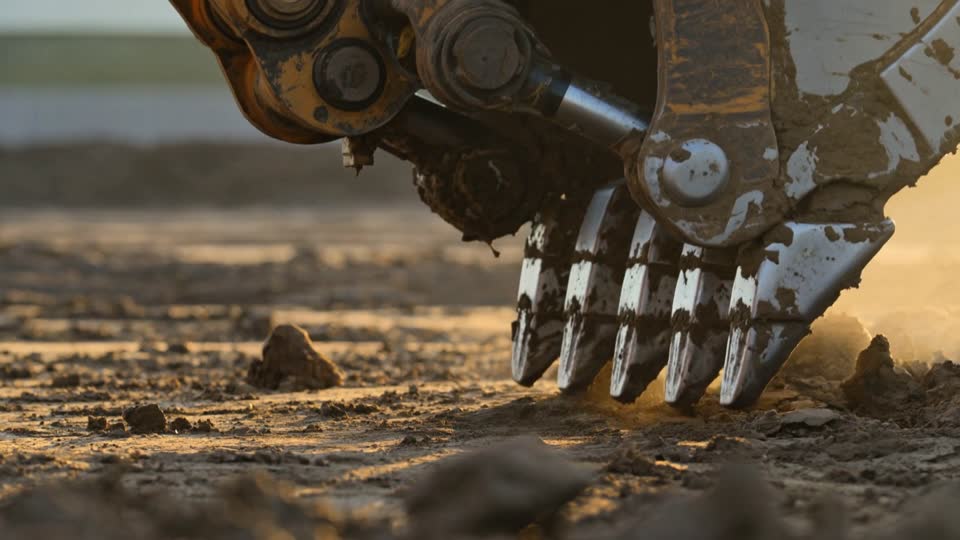
Earthworks & excavation
Stripping, bulk excavation, cut and fill, rock, compaction and the volumes that drive every estimate.
C-101
Earthworks & excavation
Stripping, bulk excavation, cut and fill, rock, compaction and the volumes that drive every estimate.
-
 C-102
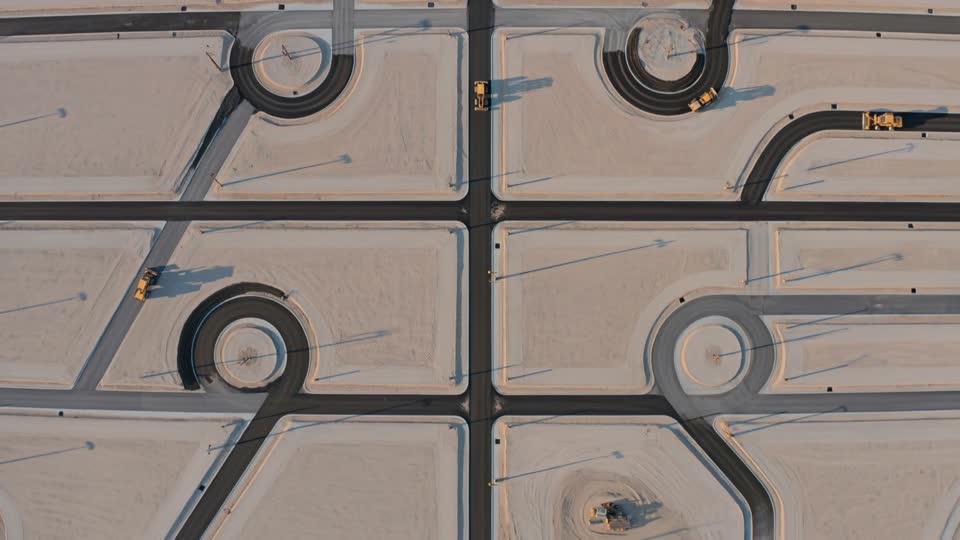
Site servicing & land development
Water, sewer, storm and roads for new lots, and the agreements, levies and sequence that come with them.
C-102
Site servicing & land development
Water, sewer, storm and roads for new lots, and the agreements, levies and sequence that come with them.
-
 C-103
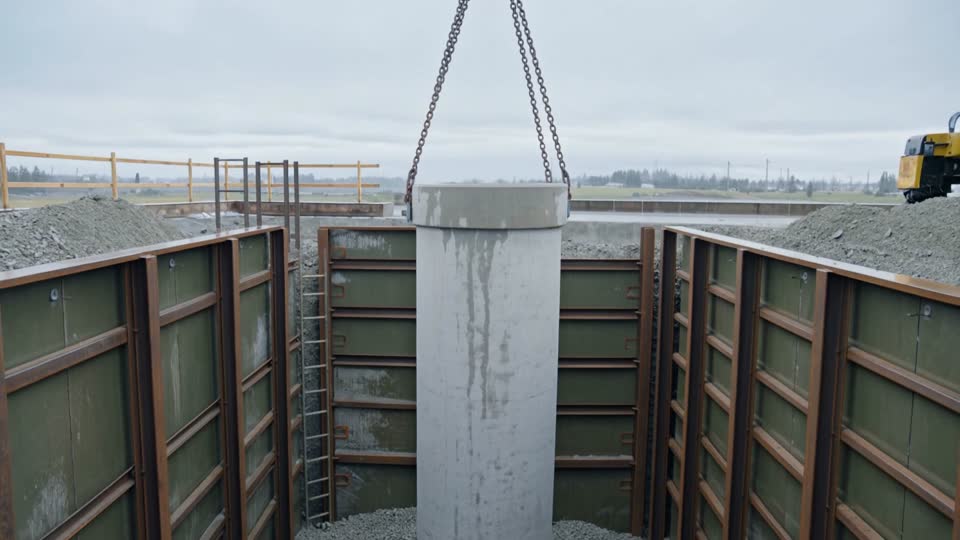
Underground utilities
Watermain, sanitary and storm sewer, manholes and services, from trench design to testing.
C-103
Underground utilities
Watermain, sanitary and storm sewer, manholes and services, from trench design to testing.